
A Quiet Triumph: My NOIR Interview and the Years Behind the Frame
When NOIR reached out to interview me, I felt a rush of excitement that was difficult to put into words. This was not just another publication notice. It felt personal, as if someone had looked closely at my work, recognized the visual language I have been trying to build, and invited me to speak about the years behind the images.
For an art photographer, that kind of recognition matters.
NOIR, the Club of Black and White Photography, has been part of my photographic life for several years. My images have been selected for Best of the Week and Best of the Quarter galleries, and I was honored to be named one of NOIR’s Photographers of the Year in 2024 and 2025. But the interview felt different. It gave me space to show finished photographs and talk about the process and discipline that shaped them.
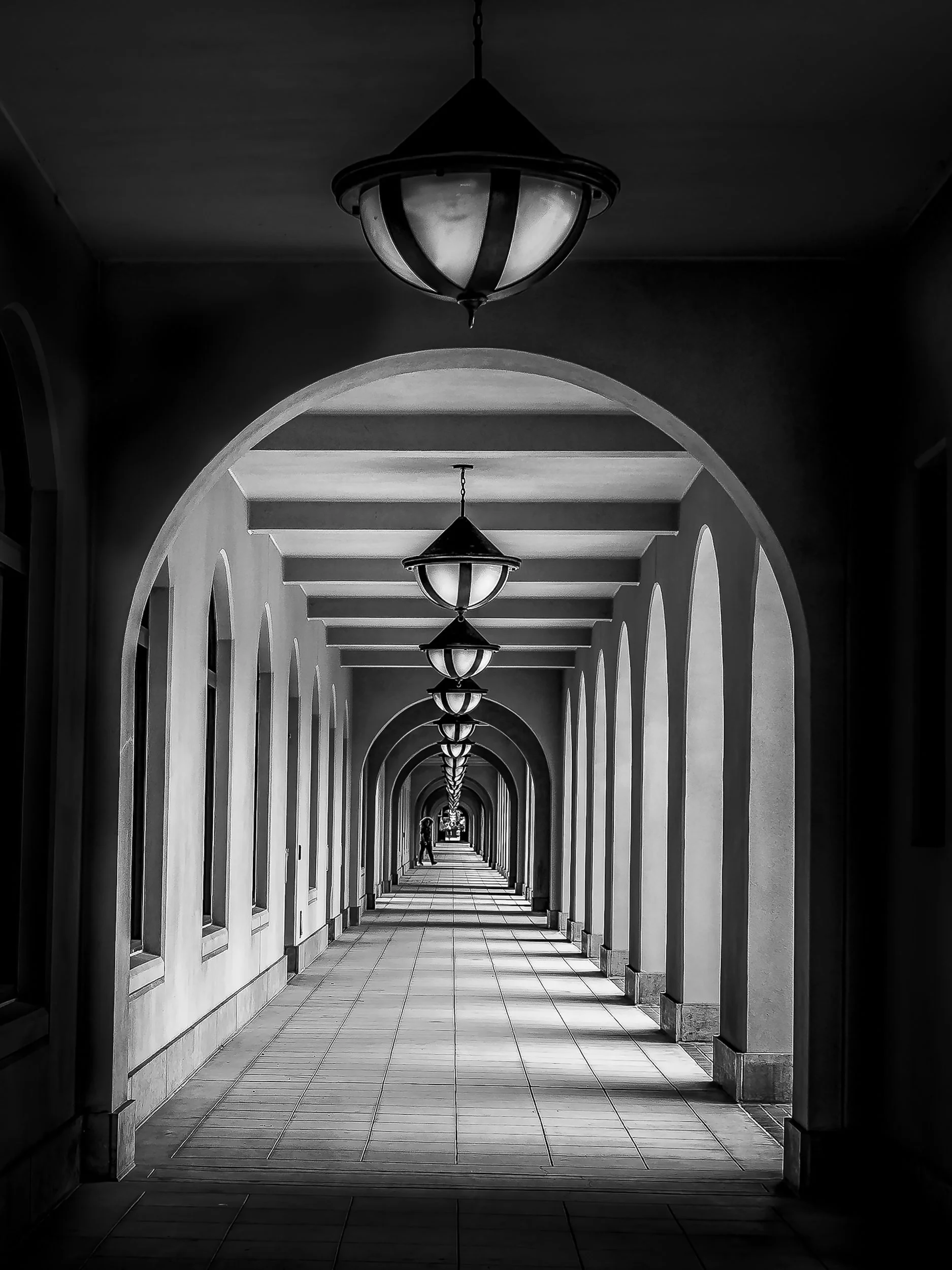
“Lighting the Way” - Liberty Station, San Diego, CA
This image became an archetype for work built around symmetry, light, shadow, and strong leading lines.
Black-and-white photography asks something different of me. Without color, there is nowhere to hide. Light, shadow, line, texture, and atmosphere must carry the emotional weight of the image. A strong black-and-white photograph is not a color photograph with the color removed. It must be seen differently from the beginning, built around contrast, tension, tonal separation, and restraint.
In my work, I look for moments when the world feels slightly heightened, when a landscape, structure, figure, or object holds more than its literal description. Sometimes that feeling comes from dramatic light. Sometimes it comes from weather, isolation, or silence. Sometimes it comes later, during editing, when the photograph reveals what it was really about.
Technique matters, but it is never the final goal. Exposure, composition, tonal control, and post-production decisions are tools. The question is whether those tools help the image become more alive. Does it hold attention? Does it create mood? Does it leave the viewer with a lingering feeling?
The path to this interview was not sudden. It came from practice, critique, failed experiments, and repeated attempts to make stronger images. I learned from mentors, peers, instructors, editors, and from returning to the field after something did not work. Every rejection, near miss, and promising image that failed taught me something.
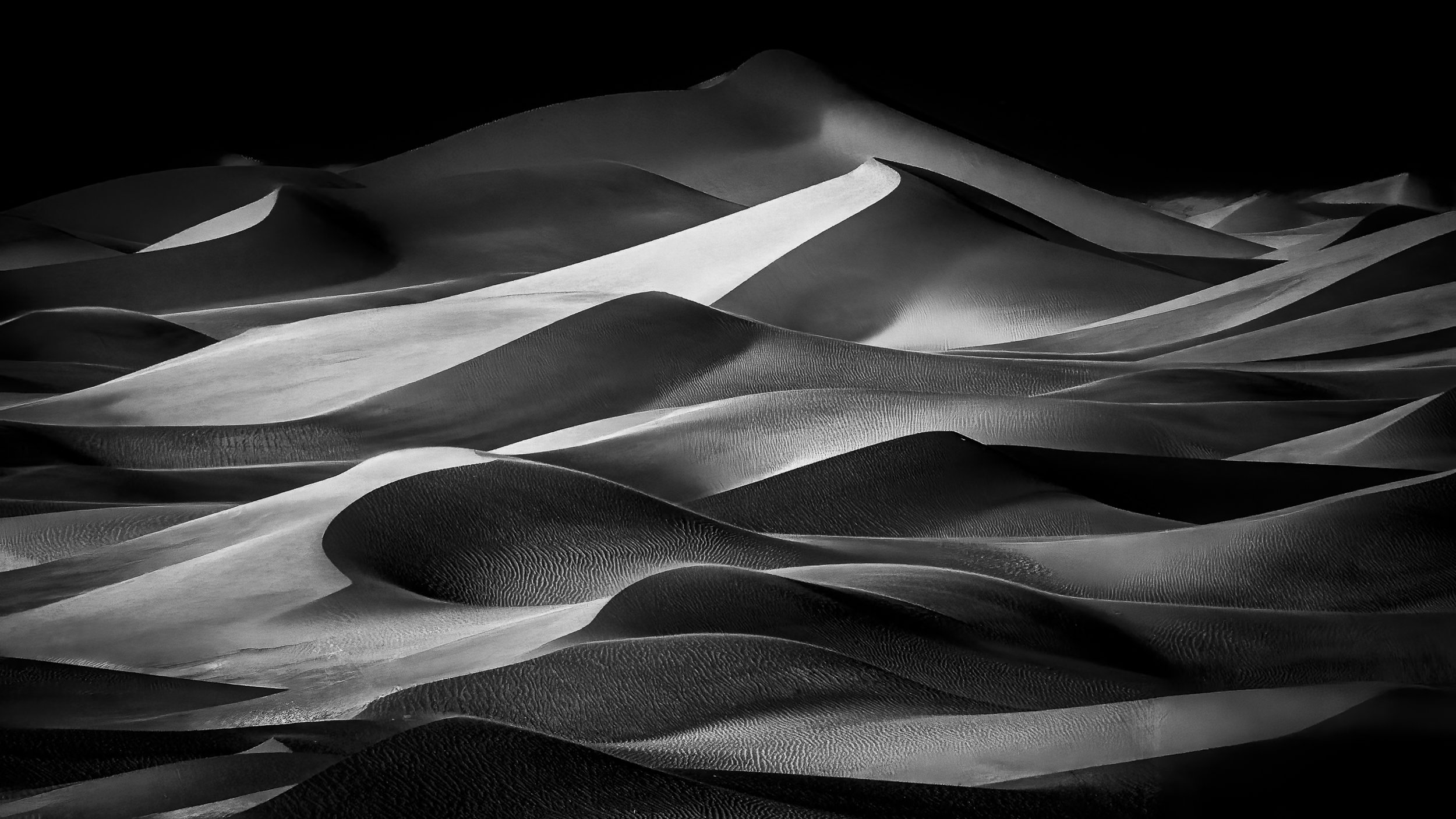
“Mesquite Sand Dunes” - Death Valley National Park, CA
This image was a foray into abstract fine art photography and helped me deepen its emotional content.
For photographers hoping to be noticed, my advice is simple: build the work, edit harder than you want to, and keep submitting. Do not send everything. Send the images that best represent the photographer you are becoming. Learn to separate a good memory from a good photograph.
Persistence matters, but so does refinement. Each round of editing should teach you something. Each submission should be sharper than the last. Each recognition should be accepted with gratitude and with the understanding that the work must continue.
That is what this NOIR interview represents for me. It is a milestone, not a finish line. It is an encouragement to keep seeing in light and shadow, and to continue developing work that feels technically resolved and emotionally honest.
For me, this was a quiet triumph. Not loud. Not final. But deeply meaningful.
And now, the work continues.